Men’s Mental Health Panel Discussion for Companies
Supporting Well-Being, Leadership and Workplace Performance
Men’s mental health is increasingly recognized as an important workplace issue across Europe. Many men experience stress, burnout, isolation, or depression but often hesitate to seek support due to stigma, cultural expectations, or pressure to remain “strong” and self-reliant.
This interactive panel discussion helps organizations open a constructive conversation about men’s mental health, modern masculinity, and wellbeing in professional and personal life.
The session combines expert insights, real experiences, and practical strategies to support healthier individuals, stronger teams, and more resilient organizations.
Why This Topic Matters
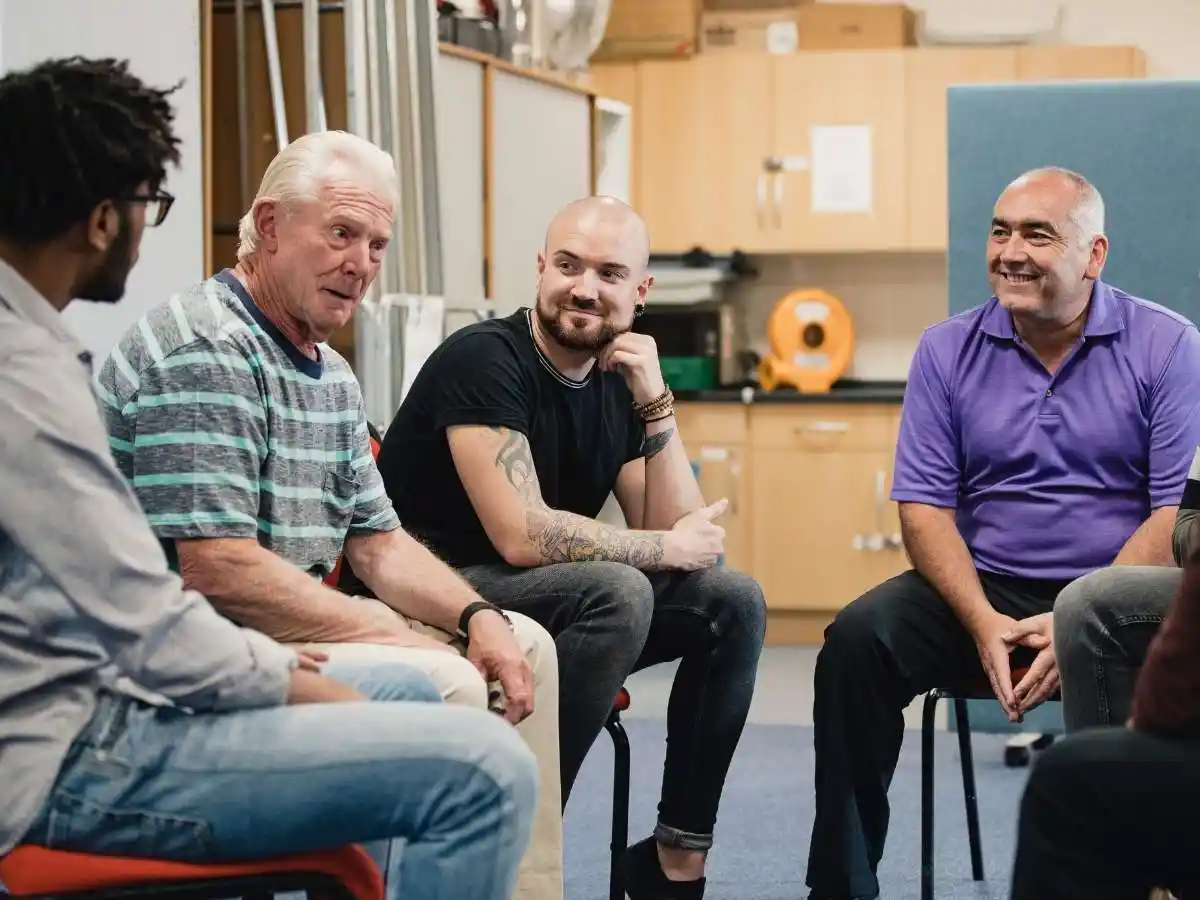
Creating spaces where these topics can be discussed openly helps organizations build psychologically safe and supportive workplace cultures.
Format
Duration: 60–90 minutes
Structure:
- Introduction to men’s mental health and workplace impact
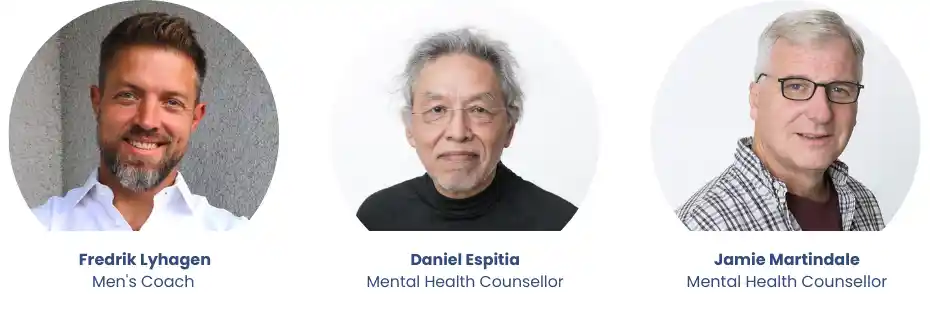
- Panel discussion with therapists, coaches, and leadership experts
- Practical insights and strategies for employees and managers
- Interactive Q&A
Panel Discussion Topics
The discussion explores key questions about modern masculinity, mental health, and workplace wellbeing:
- How can we define modern masculinity in today’s changing world?
- What pressures do men experience around success, responsibility, and performance at work and in family life?
- Why do many men struggle to ask for help or talk about emotions?
- How can workplaces better support men’s mental health and prevent burnout?
- What role do mentorship, role models, and community play in men’s wellbeing?
- How can men support each other and create healthier relationships at work and at home?
- What are the benefits of therapy, coaching, and men’s support groups?
- How can men navigate social media influences and find healthier role models?
Benefits for Companies
This session helps organizations:
- Reduce stigma around mental health
- Improve employee wellbeing and engagement
- Support leadership development and emotional intelligence
- Prevent burnout and long-term sick leave
- Strengthen communication and team resilience
Facilitators