Dealing with Homesickness as an Expat: How to Navigating the Emotional Journey

The initial excitement of moving to a new country—the new sights, sounds, and opportunities—is a powerful feeling. Yet, after the honeymoon phase fades, another, more complex emotion can surface: a deep, aching longing for home. If you’re reading this, you might be asking yourself if it’s normal to feel this sad, even when you chose this path. You might also be wondering, urgently, how to make it stop.
The answer is that your feelings are not only normal, but they are a profound and valid part of the international experience. Homesickness is not a sign of failure or a mistake in your decision to move. It is a form of grief for the familiar life you’ve left behind—the unspoken rhythms, the easy connections, and the sense of belonging that you built over a lifetime. Understanding this is the first step toward navigating the feeling, not as an illness to be cured, but as a transition to be managed with compassion and support.
The Roots of Expat Homesickness
At its core, homesickness is a natural human response to separation from the people, places, and routines we cherish. For an international resident, this separation is magnified. It isn’t just about missing a specific house or a favorite restaurant; it’s a response to the loss of your familiar social roles, daily cadences, and the very ground of your identity. This feeling often intensifies as the initial novelty of life abroad gives way to the day-to-day realities of navigating a new culture.
This transition can feel like a specific form of grief. You are mourning the loss of a life that, until recently, was your constant. This sense of loss is often amplified by "cultural fatigue"—the quiet exhaustion that comes from constantly translating, navigating unfamiliar social cues, and operating without the automatic cultural shorthand you once took for granted. When your mind is tired from this constant effort, the pull of home can feel especially strong. Providing a space for this experience is a key part of what effective homesickness counseling for expats aims to achieve.
Why Moving Abroad Triggers This Feeling
Two key elements of your previous life are suddenly absent when you move abroad, making you emotionally vulnerable:
- The loss of ‘implicit knowledge’. This is all the small, seemingly insignificant information you knew without thinking—which bus to take, how to greet a neighbor, the best place to buy coffee, or how to navigate a government office. Losing this effortless competence can be deeply disorienting and chip away at your sense of self-sufficiency.
- The lack of a familiar support network. Back home, you likely had a web of friends, family, and colleagues who understood your history and shared your context. Building a new network takes time and energy, and in the interim, the absence of that immediate, intuitive support can leave you feeling isolated and alone with your struggles.
Recognizing the Signs of the Expat Blues
Homesickness manifests differently for everyone, but it often involves more than just a feeling of sadness. It can show up in your emotional state, your physical wellbeing, and your daily behaviors. Recognizing these signals is the first step toward addressing them with gentle awareness rather than self-criticism.
- Emotional Signals: You might experience persistent irritability, a short temper over minor issues, or a pervasive sense of loneliness, even when surrounded by people. A feeling of "not belonging" or being a perpetual outsider is also common.
- Physical Manifestations: The emotional strain can take a physical toll. This can include disrupted sleep patterns (insomnia or oversleeping), changes in appetite, frequent headaches, or a general feeling of lethargy you can’t seem to shake.
- Behavioral Changes: You might find yourself idealizing everything about home while being overly critical of your new environment. Other signs include withdrawing from social opportunities, spending excessive time on calls or social media with people back home, or a loss of interest in exploring your new surroundings.
For some, this prolonged sense of displacement can sometimes mask an underlying identity crisis living abroad. It is crucial to differentiate between a normal period of "missing home" and a more severe distress that consistently impacts your ability to work, socialize, and enjoy your daily life.
The Connection Between Homesickness and Mental Health
While homesickness is not a clinical diagnosis, prolonged and intense feelings of displacement can overlap with other mental health challenges. The experience of relocation stress is significant, and when combined with a lack of social connection, it can create fertile ground for more serious issues. The social isolation that many international residents face can exacerbate feelings of anxiety or contribute to a sustained low mood. Recognizing this connection is not about causing alarm, but about empowering you to take your emotional wellbeing seriously and seek support when the burden feels too heavy to carry alone.
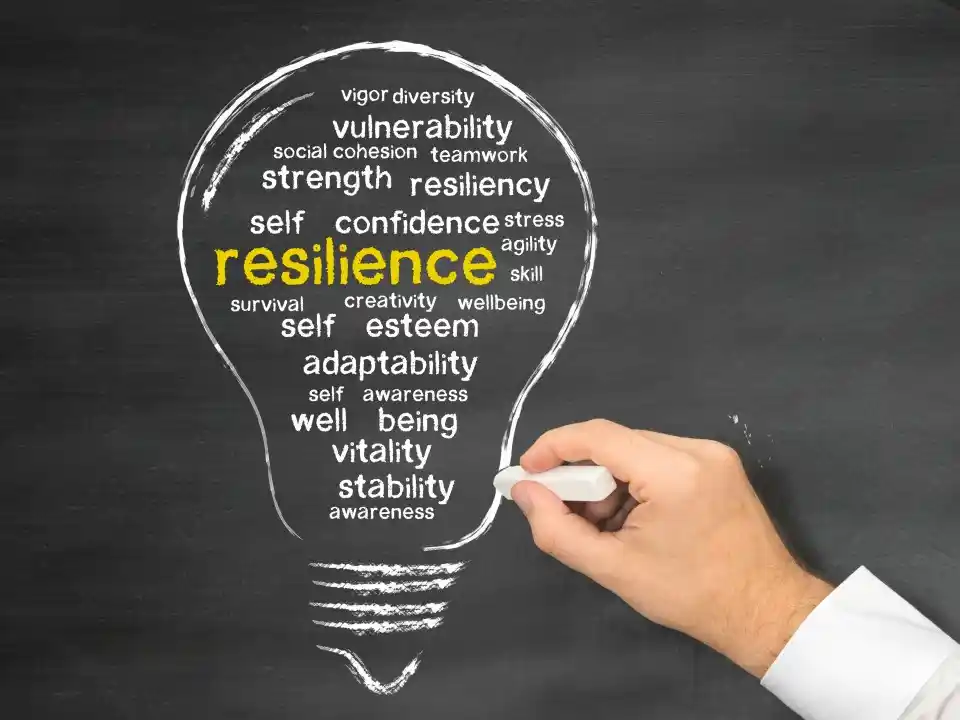
How to Navigate Homesickness and Build Resilience
Moving through homesickness isn’t about erasing the feeling, but about integrating it into your new life and building a sense of stability. It involves creating new anchors of comfort and control while still honoring your connection to home. Here are a few practical, compassionate strategies to help you find your footing.
- Establish New Micro-Routines: When your larger environment feels unpredictable, creating small, consistent rituals can restore a sense of control. This could be a morning walk to the same café, a dedicated time for reading each afternoon, or a weekly visit to a local market. These micro-routines act as anchors in your day, providing predictability and comfort.
- Use the ‘Bridge Technique’: Instead of seeing your old and new lives as separate, build bridges between them. If you miss your favorite food from home, find a local shop that sells the ingredients and learn to make it yourself. If you loved a particular hobby, seek out a local group that shares that interest. This honors your heritage while actively engaging with your new environment.
- Practice Self-Compassion: It is easy to feel guilty for being unhappy after making such a big life change. Instead of judging your feelings, treat yourself with the same kindness you would offer a friend. Acknowledge that adjustment is hard and that it’s okay to have difficult days. Resisting your emotions often strengthens them; allowing them to exist can help them pass.
- Stay Grounded in the Present: Waves of homesickness can pull you into spirals of rumination about the past. Incorporating simple mindfulness practices can help you stay grounded. This doesn’t have to be formal meditation; it can be as simple as paying full attention to the taste of your tea, noticing the details of the street on your walk, or focusing on your breath for a few moments when you feel overwhelmed.
Balancing Connection with Home and Your New Life
Technology makes it easier than ever to stay in touch, but it can also become a crutch that prevents you from being present in your new life. It’s important to set healthy boundaries with digital contact. Schedule regular calls with loved ones, but resist the urge to be in constant communication, as this can reinforce the feeling of being in two places at once. At the same time, actively seek out local "third spaces"—places like libraries, parks, hobby clubs, or community centers where you feel comfortable and can be around others without pressure. These are neutral grounds where a sense of belonging can begin to grow organically.
The Role of Professional Support for Expats
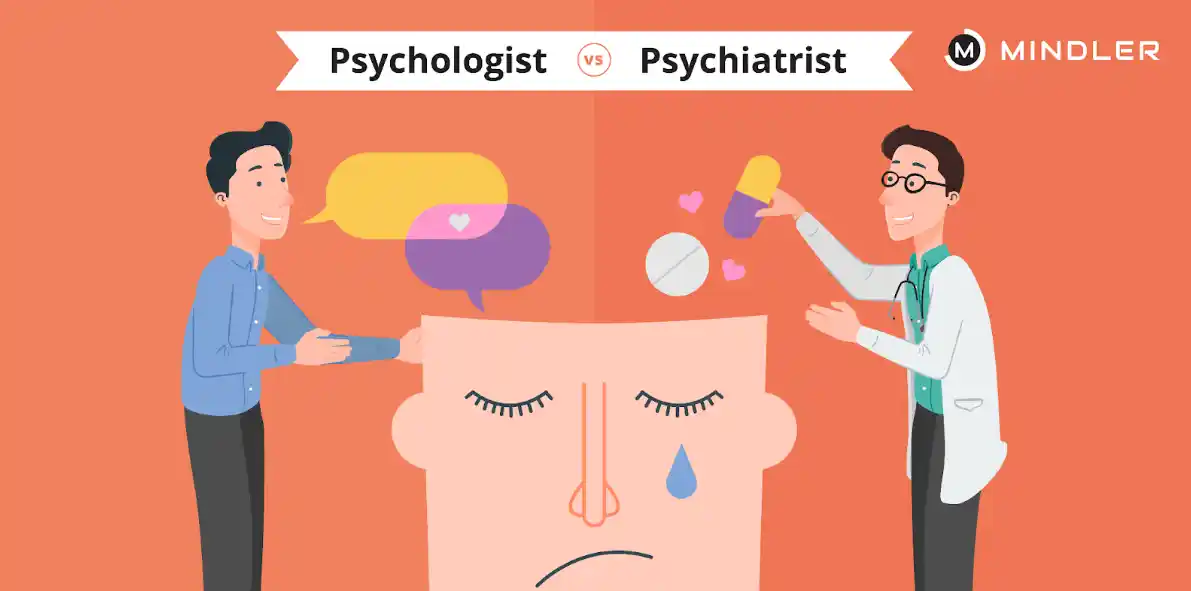
Sometimes, self-care strategies aren’t enough to lift the weight of homesickness, and that is perfectly okay. Reaching out for professional support is not an admission of defeat, but a proactive step toward building a fulfilling international life. Therapy provides a dedicated, non-judgmental space to unpack the complex emotions that come with relocation—grief, identity confusion, loneliness, and frustration.
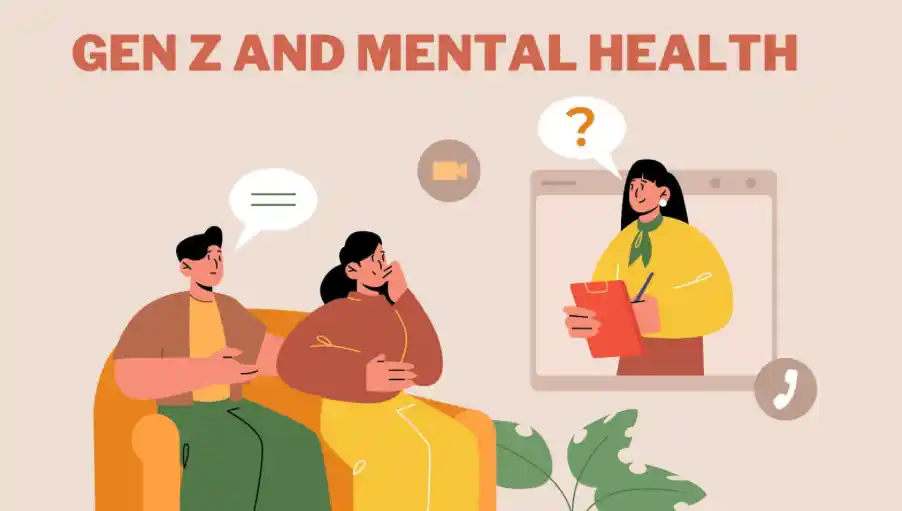
A therapist who understands the unique pressures of the expat experience can act as a culturally aware ally. They can help you make sense of your feelings and develop personalized coping strategies that work for you. In this partnership, you can explore the roots of your distress, rebuild your sense of self in a new context, and find a way to honor your past while embracing your present. The goal of supportive homesickness counseling for expats is to help you move from merely surviving to truly thriving in your journey abroad.
Finding a Safe Space to Process Your Transition
What can you expect from a therapeutic partnership focused on the expat experience? You can expect a conversation where your feelings are validated, not dismissed. Through individual counseling, you can explore the nuances of your transition in a confidential setting. A therapist can help you identify unhelpful thought patterns—like idealizing home or catastrophizing your new life—and gently guide you toward a more balanced perspective. Ultimately, counseling can provide you with the tools and the confidence to integrate your experiences, helping you build a life abroad that feels authentic, resilient, and truly your own.
Frequently Asked Questions
Is it normal to feel homesick even after living abroad for several years?
Yes, absolutely. Homesickness is not always a linear process that disappears after a certain amount of time. It can resurface during major life transitions, holidays, periods of high stress, or moments when you feel particularly disconnected from your new environment. Seeing it as a recurring wave, rather than a problem to be solved once, can be a more helpful perspective.
How can I tell if my homesickness is actually depression or anxiety?
While there is an overlap, the key differences often lie in duration, severity, and scope. Homesickness is typically focused on a longing for home, while depression often involves a more pervasive loss of interest or pleasure in all activities. If your feelings of sadness, anxiety, or hopelessness are persistent, impact your ability to function daily, and are not alleviated by connecting with home or engaging in new activities, it may be beneficial to speak with a mental health professional for clarity and support.
What are some immediate things I can do when a wave of homesickness hits at night?
Nighttime can be particularly difficult as the distractions of the day fade. Try engaging your senses to ground yourself in the present: sip a warm, comforting drink; listen to a calming piece of music; or wrap yourself in a soft blanket. Writing down your feelings in a journal can also help to externalize them. Avoid scrolling through social media from home, which can intensify the feeling of missing out. Instead, try a guided meditation or a simple breathing exercise to calm your nervous system.
Can professional support help me decide if I should move back home?
A therapist’s role is not to make decisions for you, but to help you find the clarity to make the decision that is right for you. A therapeutic space can help you explore the "why" behind your desire to move back. Is it a reaction to a temporary challenge, or does it reflect a deeper misalignment with your life abroad? Counseling offers a neutral ground to weigh your options, understand your motivations, and make a choice based on self-awareness rather than a momentary emotional state.
How long does the typical adjustment period last for international residents?
There is no "typical" timeline for adjusting to life in a new country. The process is highly individual and depends on numerous factors, including your personality, your reasons for moving, the degree of cultural difference, and the support systems you have in place. It’s a journey with ups and downs, not a race with a finish line. Be patient and compassionate with yourself throughout the process.
Navigating the emotional landscape of life abroad is a journey of its own. Your feelings of homesickness are a testament to the meaningful connections you’ve built in your life. With self-compassion, practical strategies, and the right support, you can learn to hold space for those feelings while building a new sense of belonging right where you are.
If you feel that a guiding conversation could be helpful, you are welcome to explore our individual counseling options at your own pace. We offer a supportive, partnership-based approach to wellbeing in an inclusive and culturally sensitive environment.